Separation
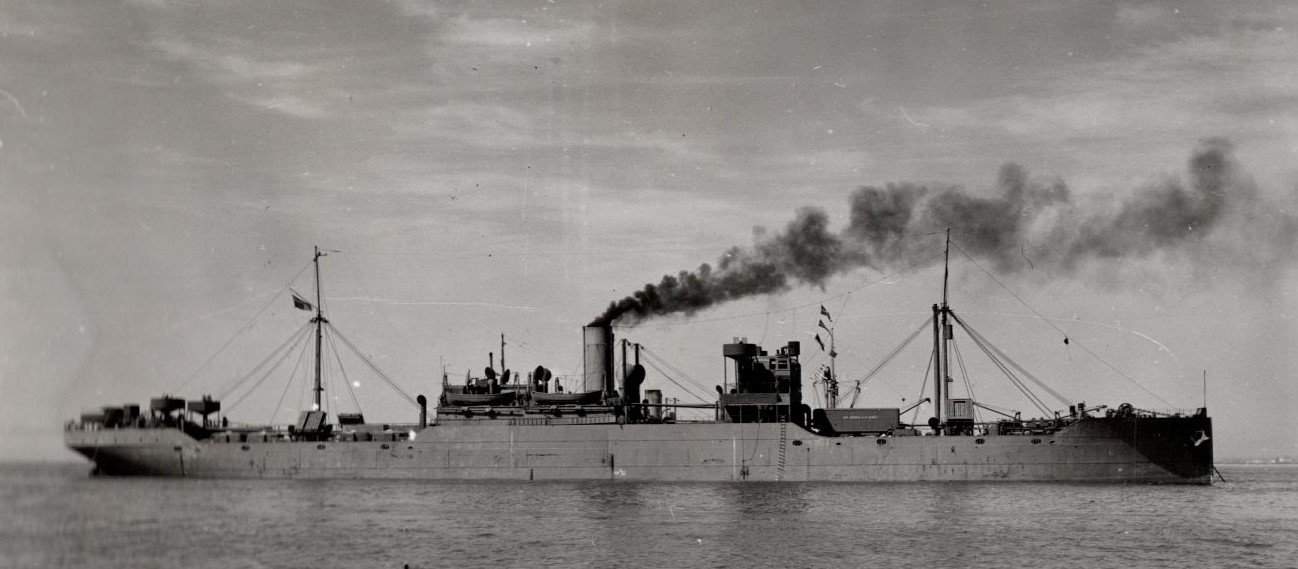
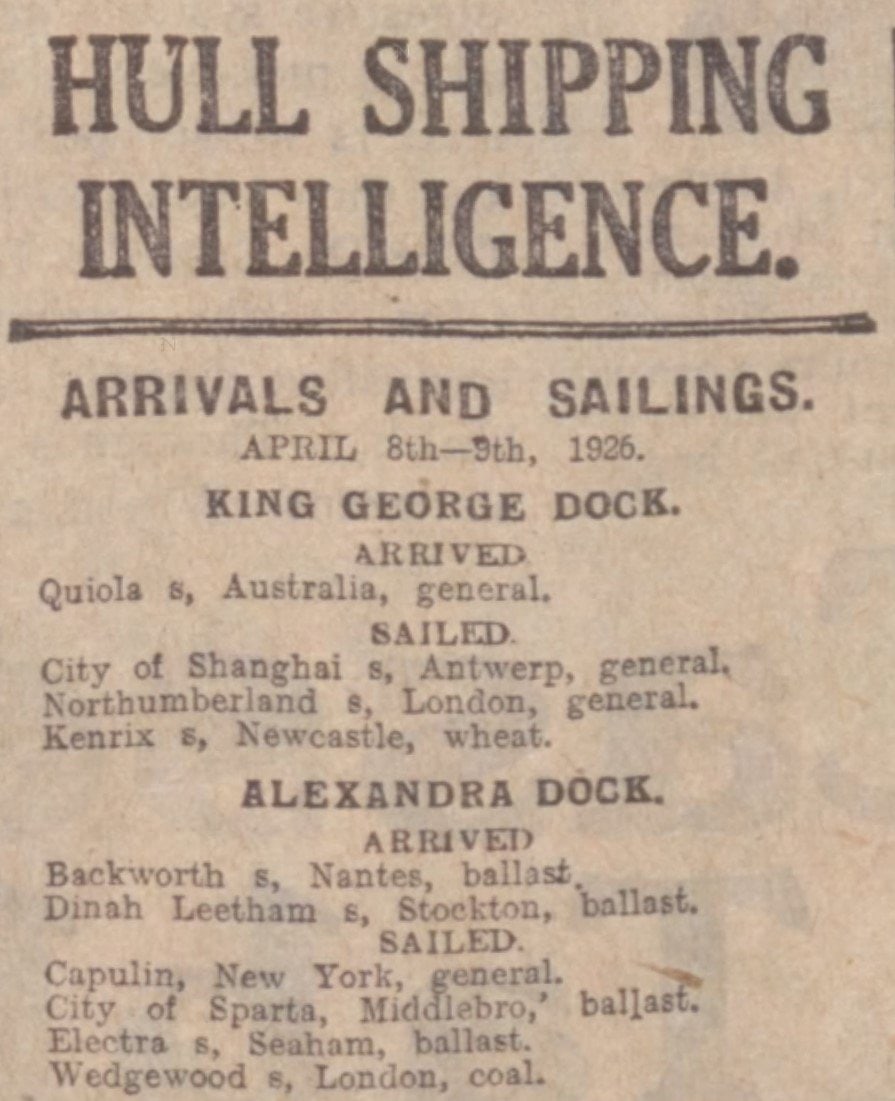
After Robert Parks and Gladys Gamble were married on April 6, 1926, in Hull, England, they had an additional day or two together before Robert departed on his cargo ship, the SS Capulin, on April 8th or April 9th. Gladys remained in Hull, living with her family. I wonder if the newlyweds had any idea they would be separated for two months.
I’m puzzled about the reason Robert and Gladys were apart for this extended absence. Was it planned or unexpected? After Robert returned to the United States, was he still under contract as the radio operator of the Capulin? Did Gladys have any delays in obtaining legal permission to immigrate? It appears her visa was approved on June 3, 1926, two days prior to her departure from Liverpool to New York City.
Regretfully, I don’t know where Robert lived between his voyages at sea on the Capulin. One source I’ve found indicates that in March 1926, the home port of his ship was Baltimore, Maryland. Robert could have remained there until he received information from Gladys on her scheduled departure from Liverpool, but Gamble-Parks family history recalls that Robert “waited in New York for Gladys to join him.”1
If Robert had known the Gamble family was attempting to persuade Gladys to stay at home in Hull, instead of moving to America, would he have sent her love letters or hurried back to England to talk to her in person?
Could Gladys’ delay have been due to her taking time to say goodbye to her Hull family and friends? Was she hesitant because her family, “took turns begging her not to leave”?2 Did Gladys have second thoughts about the enormity of what she had done, marrying at age eighteen, and preparing to travel on her own across the ocean? Could the absence of love have influenced Gladys’ delay? Gamble-Parks family history reveals that Gladys “didn’t want to marry Bob, but she wanted to come to America because she literally believed the ‘streets were paved with gold.’”3
Whatever the reason for Gladys’ delayed departure, I can’t imagine Robert idly waiting around for nearly two months without a job or income. Room and board weren’t free, and if he owned a motor vehicle, that would have been an additional expense.
I have failed to learn if Robert, who loved tinkering with motors, owned an automobile during the time he worked on merchant ships. While he was living on his homestead in Wyoming, depending on available roads, an auto might have been crucial transportation, but as a sailor between transatlantic voyages, it was less important due to the country’s extensive railroad network connecting cities with active trolley systems.
Robert may have purchased an open ocean liner ticket for Gladys. If so, when did he learn the date of her planned departure from England? Did the newlyweds keep in touch, communicating regularly during their separation? There’s a minuscule chance that Captain Henke or Engineer Anderson, who attended the Gamble-Parks wedding, had an opportunity to pass on personal messages between the newlyweds when they docked at Hull on the SS Capulin.

I don’t know when Gladys and Robert became engaged to marry or at what point they agreed to live in the United States, but they understood that Gladys was required to obtain an immigration visa prior to setting foot on a ship bound for America.
Under the Immigration Act of 1924, also known as the Johnson-Reed Act, which continued the 1921 quota system for immigrants to the United States, the application and approval process for immigration visas largely took place at US consulates. Hull didn’t have an American Consulate, so Gladys applied for her visa at her departing port, Liverpool.
The application would have likely provided detailed information, including Gladys’ birth certificate, photograph, proof of nationality, and references. Since Gladys was married to a US citizen, I doubt a letter of support was required to vouch for her financial means. If interviewed, Gladys could have taken a literacy test and undergone a medical examination. Her marriage status made permission to immigrate nearly automatic because wives of citizens were not counted in the immigration quotas.
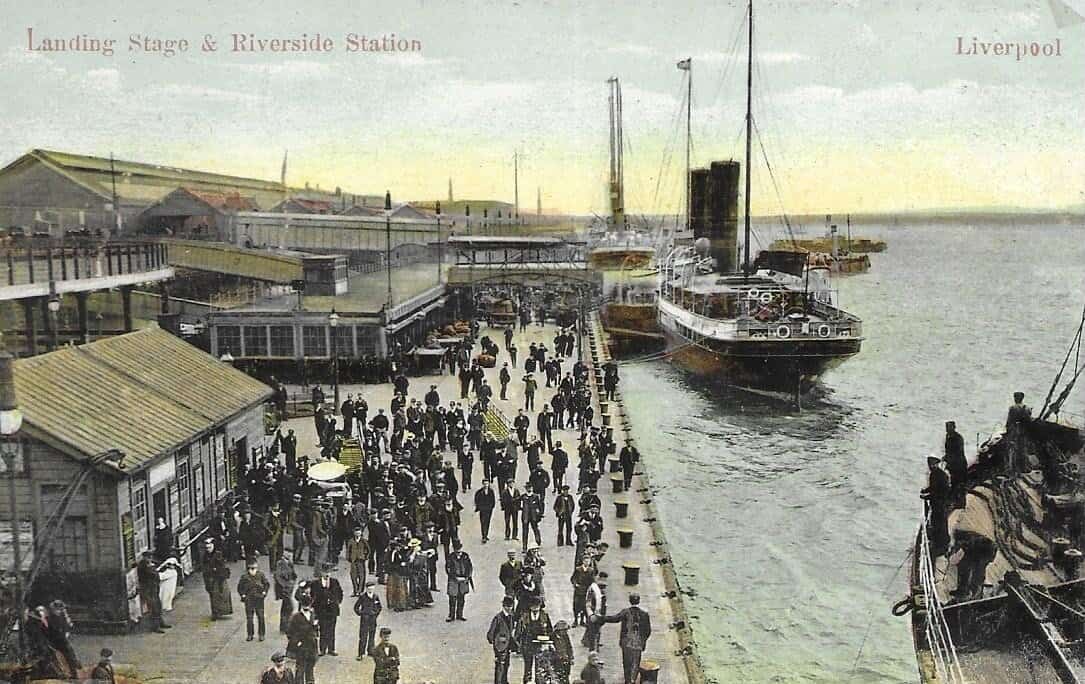
Taking a train from Hull to Liverpool, the Gateway to America, was a well-worn route for immigrants. If Gladys chose train travel, she could have made the 126-mile trip within three to four hours. Liverpool’s Riverside Station was conveniently located parallel to the sheltered floating landing station on River Mersey, where the ocean liners docked. The station was a short walk from the city’s visa office, located on the third floor of the Cunard shipping line building.
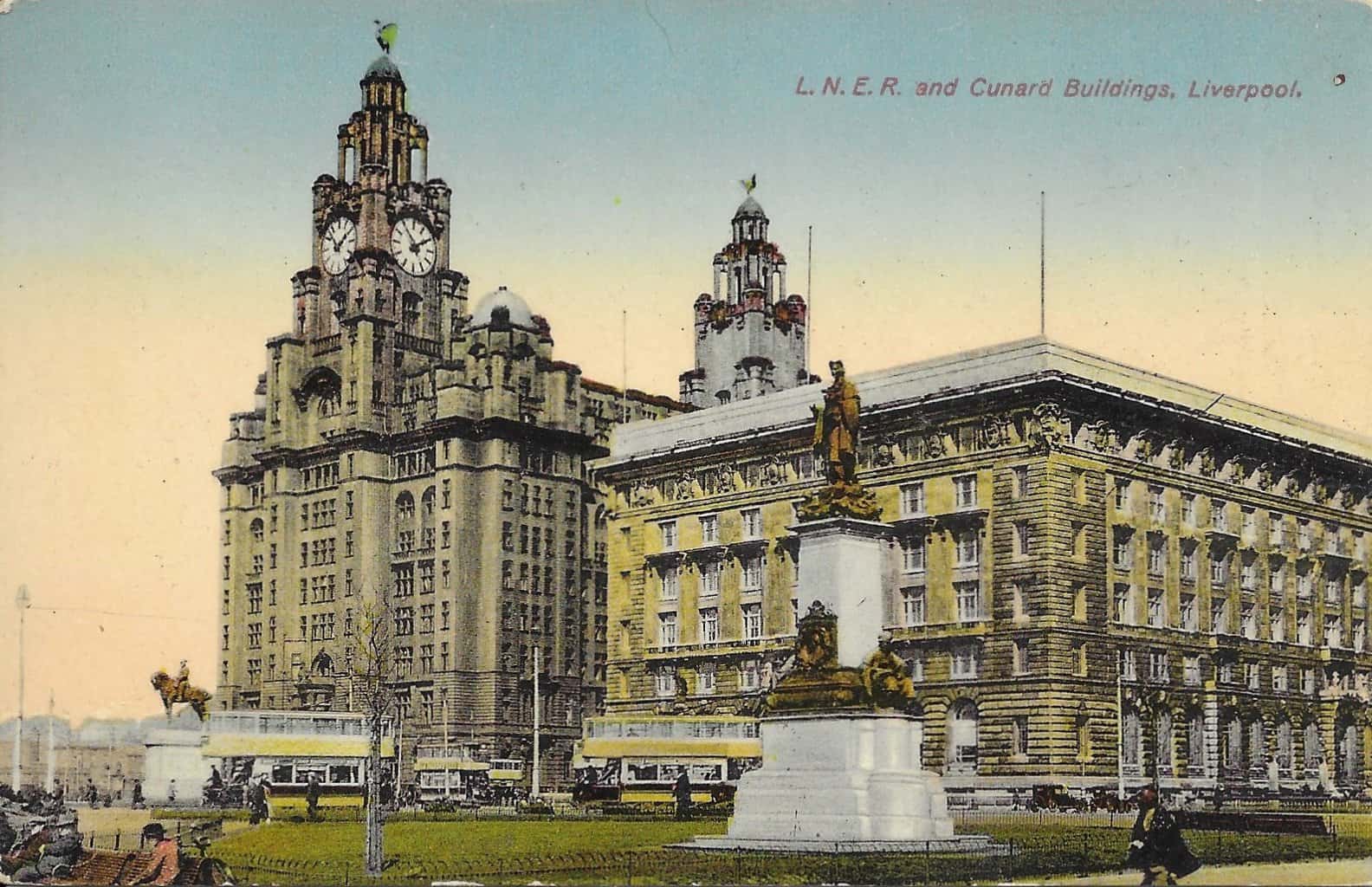
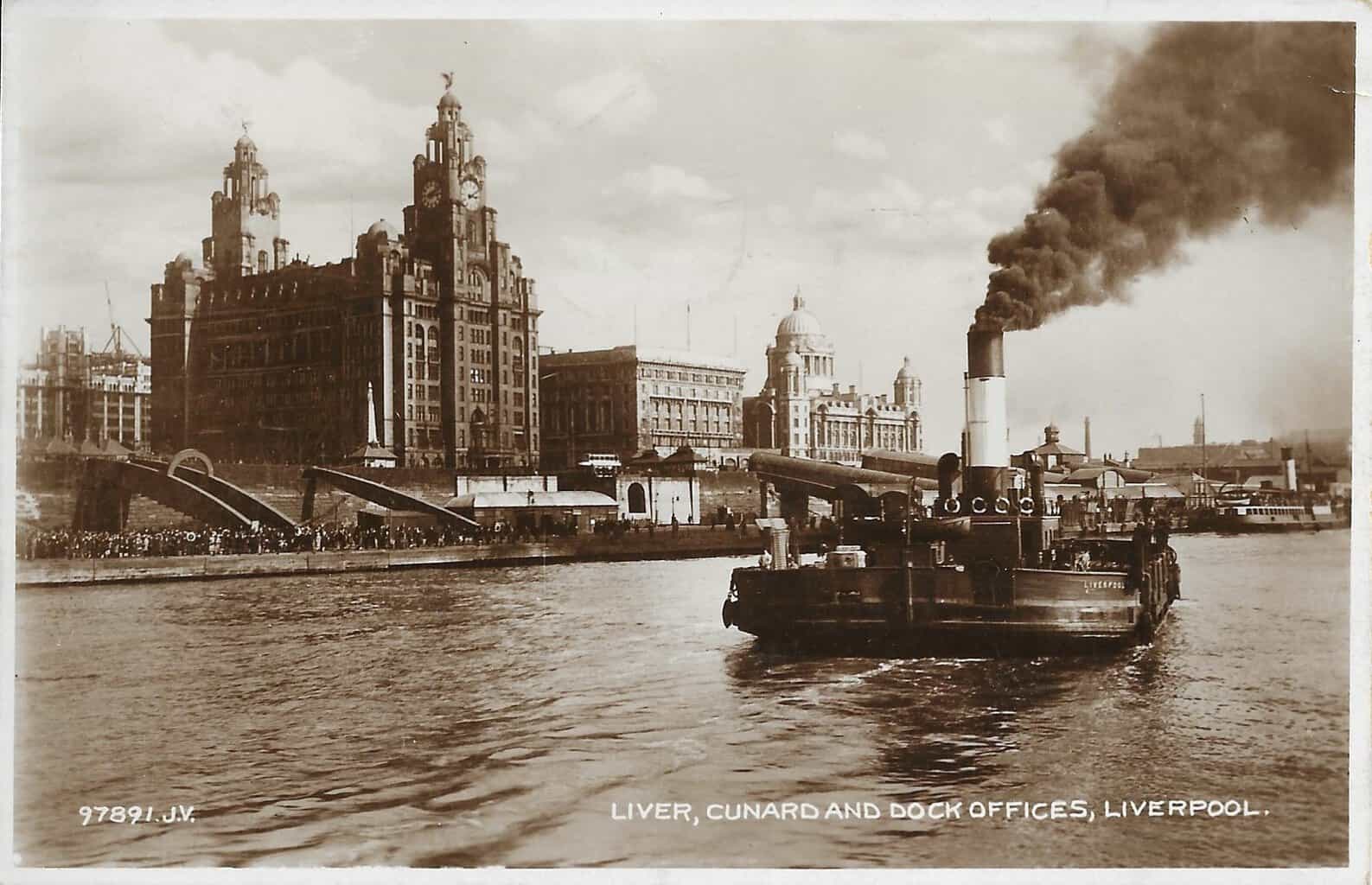
With its waterfront location, the Cunard building was used as a passenger terminal and included a booking hall, luggage storage that would be transferred to the hold of the ships, and first-class lounges. The building was also the company’s administrative headquarters.
Symbolic of the company’s business, American eagles looked down from each corner of the building, while on the river side of the structure the opulent first-class passenger lounge was fitted out in the luxurious style of the ocean liners.
Prior to Gladys’ arrival in Liverpool, the city had begun the early construction phase of the road tunnel under the River Mersey to connect with Birkenhead. Travelers near the Cunard building, watching the industrial digging, would have marveled at the audacity of such a project with its goal of streamlining transportation by decreasing the congestion of ferryboats involved in trans-river service.
Beginning on May 3rd, while Gladys remained in Hull, she and her family experienced the effects of the country’s General Strike. The strike began when coal miners were locked out of work due to a disagreement with the mine owners when the latter reduced wages and increased hours. The General Strike included workers from professions who sympathized with the coal miners, comprised of railway men, transport workers, printers, dockers, ironworkers, and steelworkers.
Since the general strike only lasted nine days until May 12, it shouldn’t have caused a major delay in Gladys’ departure. The coal miners continued their resistance for several months, but the sympathy strikers overwhelmingly returned to work after the government took control of the situation by calling out the Army. The trains were running, the dock workers were loading and unloading cargo, and the ships were sailing.
While Gladys delayed her transatlantic voyage, her two older sisters, Ada and Dolly Gamble, may have been working at Rickett & Sons, a prominent British manufacturer of household goods. Due to the economic slump in Britain, the financial support from the sisters for the extended Gamble family was vital. Because movies and dancing were their favorite pastimes, Ada and Dolly most likely continued picking up sailors at the Hull docks because it guaranteed them free entertainment. I’ve wondered if Gladys, a newly married woman, would have joined them.
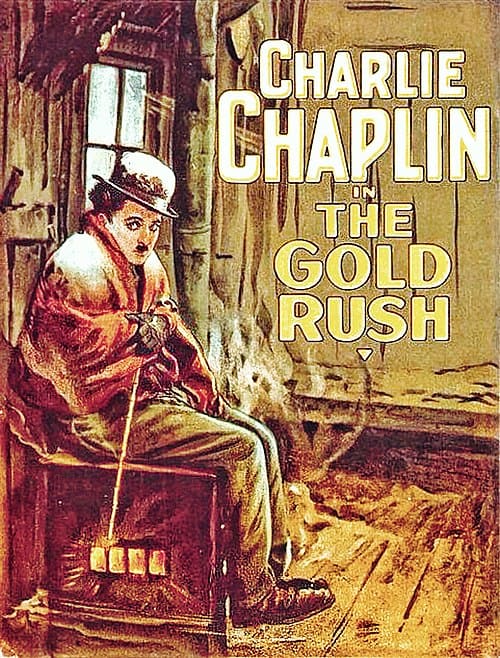
As Gladys was deciding when to depart her hometown, there weren’t any Dorothy Mackaill movies showing at the Hull theaters, but there were a couple of Charlie Chaplin movies. Englishman Chaplin, who lived in the United States, wrote, directed, produced, edited, and starred in films that were played at packed movie houses in England and around the world. Chaplin was considered the international king of silent cinema.
In May 1926, Chaplin’s latest film, The Gold Rush, a dramatic comedy, was shown for three weeks at The Majestic, Hull’s premier picture house. An advertisement in the Hull Evening News described the movie as, “Hardships of the Klondyke [sic] stampede made to seem uproariously funny. Man’s greed for gold turned into comedy that will rock you with laughter. Love-sickness becomes the foundation for Chaplin’s tricks that rouse hilarity.”4
Eventually, no later than Thursday, June 3, an excited Gladys Gambel Parks arrived at Liverpool, famous internationally for transatlantic passenger travel, especially mass immigration to the United States. Gladys may have visited the floating dock which was supported on pontoons that rose and fell with the tide. As dockworkers handled supplies and cargo, and passengers crowded the landing stage, I can imagine Gladys staring at the majestic ships, searching for her ocean liner, the HMS Scythia. Once the Hull girl spotted the Cunard liner, with its massive red funnel, there’s no telling how she handled her emotions. Did her heart pound as she considered the journey ahead? Was she able to get any sleep the night before Scythia‘s departure on Saturday morning, June 5?5 If she slept, did she dream of a land where streets were paved with gold?
Notes
1. Jacqueline Gamble Scott, “Memories,” unpublished manuscript, 2001, 4.
2. Scott, “Memories.”
3. Scott, “Memories,”3.
4. Hull Evening News (Hull, Humberside, England), May 12, 1926, 4.
5. “List or Manifest of Alien Passengers for the United States,” New York, U.S., Arriving Passenger and Crew Lists (including Castle Garden and Ellis Island), 1820-1957 – Ancestry.com


Glad to see this story continuing! I’ve missed Robert.
And my favorite way to enjoy it is to hear you reading it.
Thank you!
This is an interesting thread of history you have created. I do enjoy tidbits of history. Thanks.
Thanks, Letty, and I just learned from your post about a “jitney lunch.”